
A Complete Guide To Indian Fabrics:-
Study of the rich heritage of India through this complete guide to Indian fabrics.From this we learn about the different types of Indian fabrics which include cotton, silk, khadi, and handloom varieties that tell us about the different Indian fashion through fabrics.
INTRODUCTION
India is a land of energetic colors, vast cultures, and centuries of old textile traditions. From the soft cotton to the rich silk, the types of Indian fabrics which represent the story of all the craftsmanship, sustainability, and style. Whether you’re a fashion passionate or a fabric lover, they understand all these textiles which can help you to appreciate the soul of Indian fashion.
THE LEGACY BEHIND INDIAN FABRICS
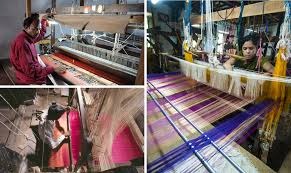
Over 5000 years ago India textile industry which has brought up fine cotton from the Indus Valley Civilization. Over the time, every region of India developed their own weaving styles and materials,which led to hundreds of unique types of Indian fabrics. These fabrics are not just garments, they have become a part of India’s cultural identity now.
NOW SOME POPULAR TYPES OF INDIAN FABRICS
Let explore some of the most famous types of Indian fabrics that describe both ethnic and modern wear.
(1) Cotton – The Breathable Classic
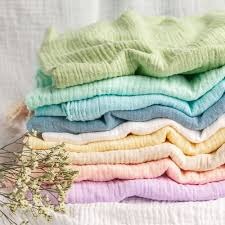
Among the most popular types of cotton fabric, Indian cotton is known for its light texture and comfort. Fabrics like Mulmul, Khadi, and Cambric are ideal for tropical climates. Indian cotton is versatile—used in sarees, kurtas, and everyday fashion.
(2) Silk – The Royal Fabric of India
The fabric which is known as the royalty has always been a silk fabric. From Banarasi silkin Uttar Pradesh to Kanchipuram silk in Tamil Nadu, India produces some of the most luxurious silks in the world. These types of Indian fabrics are famous for wedding wear and festive attire due to their shine and intricate designs. (Outbound link: https://csb.gov.in/to learn more about silk varieties.)
(3) Khadi – The Symbol of Freedom
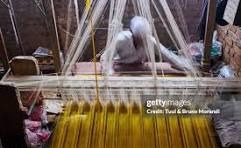
It is not just a fabric;khadi is a movement which is made through hand-spun and handwoven, and khadi represents our India’s independence and sustainable fashion in the world. Khadi is only that type of Indian fabrics, which holds a special place for our eco-friendly nature and natural grace.
(Internal link: Read our guide onhttps://www.google.com/search?q=sustainable-indian-fashion&sca_esv=17b6ad23b7736742&rlz=1C5CHFA_enIN1036IN1036&sxsrf=AE3TifNJH69. H6oAoPX_o_628hDSM8Ax8FA%3A1761155302520&ei=5hj5aIfTH8aMseMP1IfByQ0&ved=0ah UKEwiH3s3hrriQAxVGRmwGHdRDMNkQ4dUDCBA&uac
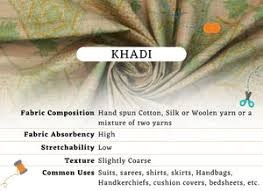
(4) Linen – Modern yet Traditional
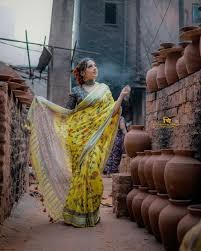
Linen has become a popular choice in modern ethnic wear. Linen is cool, breathable, and perfect for both formal and casual outfits. Linen kurtas and sarees combine traditional aesthetics with modern wear comfortably.
(Outbound link: Explore linen trends at https://indiantextilejournal.com/)
(5) Wool and Pashmina – The Himalayan Heritage
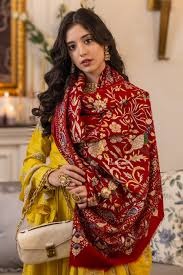
In India the northern region, especially Kashmir, is the home town of luxurious wool fabrics such as Pashmina and Shahtoosh. These are special types of Indian fabrics that give warmth and grace. Woolen shawls, stoles, and coats are made here and are exported globally.
(6) Georgette and Chiffon – The Elegant Drapes
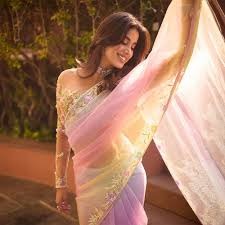
These lightweight, flowy fabrics are favorites for sarees and ethnic gowns. Indian designers often use georgette, chiffon, and crepe for festive and bridal wear. They are easy to dye, print, and embellish—making them versatile types of Indian fabrics.
(Internal link: Explore our blog on https://www.google.com/search?q=fusion-wear-trends-india+blog&rlz=1C5CHFA_enIN1036IN1036&oq=fusion-wear-trends-india+blog&gs_lcrp=EgZjaHJvbWUyBggAEEUYOTIHCAEQIRigATIHCAIQIRigAdIBCjExMTcwaj BqMTWoAgywAgHxBb4Dy8Hj-MY-&sourceid=chrome&ie=UTF-8
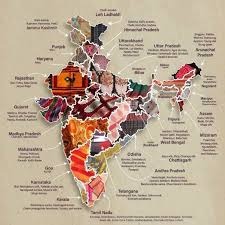
REGIONAL FABRIC STYLES OF INDIA
Each Indian state brings its own fabric specialty. Here are a few examples of types of Indian fabrics that showcase this diversity:
- Assam: Muga silk – known for its golden luster.
- Gujarat: Bandhani – traditional tie-dye art.
- Rajasthan: Kota Doria – lightweight cotton fabric perfect for summers.
- Madhya Pradesh: Chanderi – soft, glossy fabric with fine zari work.
- Odisha: Sambalpuri Ikat – intricate patterns dyed into yarns before weaving.
SUSTAINABLE AND HANDLOOM FABRICS
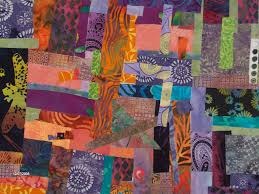
The rise of sustainable fashion has put handloom weavers back in focus. Indian handloom fabrics like Ikats, Jamdanis, and Block prints are eco-friendly, made with natural dyes, and support local artisans. These types of Indian fabrics promote slow fashion and ethical consumption.
(Outbound link: Learn about handloom initiatives on ndiahandloombrand.gov.in)
(Internal link: Visit our post https://www.google.com/search?q=post+on+How+Handloom+is+Redefining+Indian+Fashion&rlz=1C5CHFA_enIN1036IN 1036&oq=post+on+How+Handloom+is+Redefining+Indian+Fashion+&gs_lcrp=EgZjaHJv bWUyBggAEEUYOTIHCAEQIRigATIHCAIQIRigATIHCAMQIRiPAjIHCAQQIRiPAtIBCDM4NTZq MGo3qAIAsAIA&sourceid=chrome&ie=UTF-8 )
CARE TIPS FOR INDIAN FABRICS
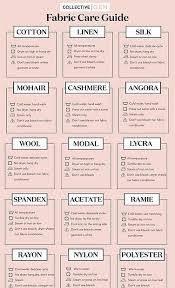
Types of Indian fabrics require special care:-
(1) Handwash delicate fabrics like silk and chiffon.
(2) Use mild detergent for cotton and khadi.
(3)Store silk in muslin cloth to prevent moisture damage.
(4) Avoid direct sunlight for long durations to preserve color.
THE FUTURE OF INDIAN FABRICS
The global fashion market is seeing the value of sustainable and artisanal textiles. From Paris runways to Indian boutiques, the types of Indian fabrics are celebrated for their versatility, eco-conscious production, and timeless beauty. As technology merges with tradition, the next era of Indian fashion will be proudly handwoven.
(Internal link: Read our upcoming article on https://www.google.com/search?q=article+on+Future+of+Indian+Ethnic+Fashion&rlz=1C5CHFA_enIN1036IN10 36&oq=article+on+Future+of+Indian+Ethnic+Fashion&gs_lcrp=EgZjaHJvbWUy BggAEEUYOTIHCAEQIRigATIHCAIQIRiPAtIBCDE1MjVqMGo3qAIAsAIA&sourceid
CONCLUSION
Indian fabrics tell a story of tradition, craftsmanship, and cultural richness. Whether you wear khadi for its simplicity or silk for its royal touch, every fabric holds a piece of India’s heart. By embracing various types of Indian fabrics, we not only celebrate fashion but also the artistry of millions of Indian weavers.
