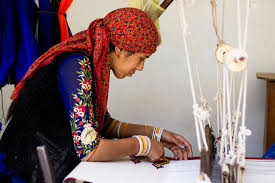
Focus Keyword: sustainable ethnic fashion
Keyword Family: handloom ethnic fashion, eco-friendly Indian wear, sustainable fashion India
Indian fashion is evolving, but one thing remains timeless — our deep love for traditional clothing. Today, consumers are becoming more conscious of how clothes are made, where they come from, and the impact they have on the planet. This shift is driving the rise of sustainable ethnic fashion in India. From handloom ethnic fashion to eco-friendly practices, the future of Indian wear lies in responsible production that celebrates culture while protecting the environment.
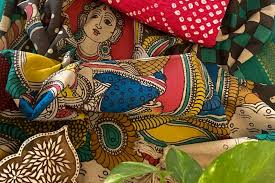
What Makes Ethnic Fashion Sustainable?
Sustainable fashion focuses on creating clothes that are:
- Eco-friendly
- Ethically sourced
- Handmade or produced with minimal machinery
- Designed to last longer
- Supportive of artisans and local communities
Indian ethnic clothing already aligns with many of these values. Traditional weaving, natural dyes, and handcrafted fabrics help reduce carbon footprint while preserving heritage.
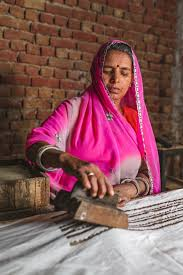
Handloom — The Heart of Sustainable Ethnic Fashion
Handloom has been India’s identity for centuries. Fabrics like Khadi, Ikat, Chanderi, and Banarasi Silk involve:
- Zero or minimal electricity
- Natural fibers
- Skilled craftsmanship passed through generations
Buying handloom ethnic fashion not only reduces environmental waste but also improves livelihoods of weavers across states like:
- Uttar Pradesh (Banarasi)
- West Bengal (Jamdani)
- Telangana (Pochampally Ikat)
- Gujarat (Bandhani)
- Assam (Muga Silk)
Each weave tells a story — of art, culture, and community.
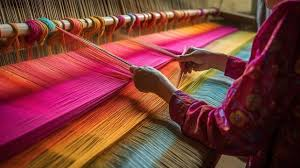
Why India Needs Sustainable Ethnic Fashion
Fast fashion causes:
- Textile landfill waste
- Chemical pollution
- Overworking laborers
- Use of synthetic materials harmful to skin and earth
With millions of garments discarded every year, India must revive slow fashion — where quality matters more than quantity. Ethnic wear, which is timeless and reusable for years, perfectly fits this approach.
Eco-Friendly Fabrics Leading the Change
The future of ethnic wear lies in fabrics that are both luxurious and planet-friendly:
| Fabric | Features | Usage |
|---|---|---|
| Cotton Khadi | Biodegradable, breathable | Kurtas, sarees |
| Organic Cotton | Chemical-free cultivation | Daily ethnic wear |
| Bamboo Fabric | Soft, sustainable | Indo-western outfits |
| Linen | Lightweight & long-lasting | Summer festive wear |
| Eri & Muga Silk | Ethical silk (no killing of silkworms) | Assam sarees & suits |
These fabrics offer comfort, sustainability, and cultural beauty in every thread.
Supporting Local Artisans and Craft Clusters
When consumers choose authentic handloom ethnic outfits, they:
(1) Empower rural artisans
(2) Help preserve rare Indian crafts
(3) Reduce dependence on machine-made imports
Government initiatives like Handloom Mark and GI Tags are helping consumers identify genuine handmade textiles. Social commerce platforms are also giving artisans direct access to global buyers.
How Designers Are Driving Change
Top designers and sustainable labels are blending tradition and innovation:
- Using recycled yarns and textile waste (zero-waste pattern making)
- Employing natural dyes like turmeric, indigo, and marigold
- Reviving forgotten weaving styles
Brands promoting conscious ethnic fashion are gaining strong traction among modern buyers who want to look stylish and responsible.

Sustainable Bridal Ethnic Wear — A Rising Trend
Indian brides today prefer:
- Repeatable lehengas
- Light-weight handloom sarees like Banarasi or Jamdani
- Renting or customizing outfits to avoid one-time use
Celebrities are setting examples by wearing handloom wedding sarees and heirloom jewelry — proving tradition never goes out of style.
Circular Fashion in Indian Wear
The culture of reusing ethnic outfits has always existed in India:
- Passing sarees from mother to daughter
- Repurposing lehengas into Anarkalis
- Restyling dupattas into new designs
This makes Indian fashion naturally sustainable and emotionally meaningful.
Final Thoughts
The future of Indian wear is rooted in our past. Sustainable ethnic fashion connects us back to nature, our heritage, and our people. As more consumers choose ethical shopping, India is moving towards a fashion culture that is:
- Stylish
- Smart
- Responsible
- Proudly Indian
Handloom ethnic fashion isn’t just clothing — it’s a commitment to the planet and the hands that weave our identity.