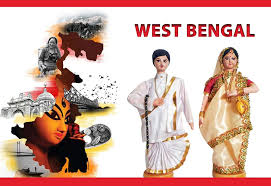
Introduction: The Heart of Indian Regional Fashion
India’s cultural diversity is beautifully reflected in its clothing traditions. Among the many regional attires, Assamese Mekhela Chador stands out as a symbol of grace and craftsmanship. When we talk about Indian Regional Fashion, Assam’s ethnic wear holds a special place with its rich handloom heritage, natural silk, and intricate motifs inspired by flora and fauna. This timeless outfit reflects both elegance and identity, showcasing how fashion connects deeply with local art and culture.
The Heritage of Assamese Mekhela Chador
The Mekhela Chador, the traditional attire of Assamese women, is not just clothing—it’s an emotion. This two-piece ensemble has been worn for centuries, representing the unique cultural essence of Assam. The Mekhela is the lower garment (similar to a sarong), while the Chador is the upper drape. Together, they create a silhouette that is both modest and regal.
The fabric used—Muga silk, Eri silk, or Pat silk—is exclusive to Assam and gives the outfit its rich texture and sheen. Muga silk, known as the “Golden Silk of Assam,” is a GI-tagged product, making it a prized treasure in Indian regional fashion.
Weaving Techniques: A Legacy Passed Through Generations
The magic of Assamese Mekhela Chador lies in its handwoven artistry. Weavers, mostly women, create intricate designs on traditional looms. Each piece takes days or even weeks to complete. The motifs—jaapi (traditional hat), gach (tree), paan (leaf), and moonga (fly)—carry symbolic meanings from Assamese folklore and nature.
The combination of bold colors and fine craftsmanship makes it a must-have in the wardrobe of anyone who appreciates Indian regional fashion. The weaving centers of Sualkuchi, often called the “Manchester of the East,” are famous for producing exquisite Mekhela Chadors.
Types of Mekhela Chador: A Blend of Tradition and Modernity
Assamese weavers have beautifully adapted to the changing tastes of modern India while preserving authenticity. Here are a few notable types:
1. Muga Mekhela Chador
Made from golden Muga silk, this type shines with natural luster and durability. It’s often worn during weddings and festivals.
2. Eri Mekhela Chador
Eri silk is soft, warm, and cruelty-free, making it a sustainable fashion choice in Indian regional fashion trends today.
3. Pat Mekhela Chador
This white silk fabric, known for its fine texture, is usually adorned with colorful floral borders and motifs.
These variations allow Assamese attire to remain relevant in both traditional and contemporary wardrobes.
Assamese Festivals and Traditional Attire
During cultural celebrations like Bihu, Bordoisila, and Bohag Bihu, women adorn Mekhela Chadors in bright red, white, and golden hues. The dance performances during these festivals often feature dancers dressed in Muga silk Mekhela Chadors, paired with silver jewelry known as Junbiri and Gamkharu. This visual representation of Assam’s cultural soul adds to the allure of Indian regional fashion.
The Global Appeal of Indian Regional Fashion from Assam
With the global fashion industry shifting towards handmade, eco-friendly, and artisanal clothing, Assamese Mekhela Chador has gained recognition beyond India. Designers are blending traditional motifs with modern cuts to make the attire suitable for contemporary occasions. Indian celebrities and influencers have also embraced the look, wearing Mekhela Chadors at events and weddings.
Fashion enthusiasts who appreciate authentic craftsmanship are increasingly exploring Indian regional fashion as a sustainable alternative to fast fashion. The revival of handloom and natural dyes has made Assamese attire more appealing to a global audience.
How to Style the Mekhela Chador in Modern Ways
Modern fashion lovers experiment with Assamese wear by mixing it with Western elements:
- Pairing the Chador with crop tops or blouses with modern cuts.
- Adding belts to highlight the waistline.
- Choosing pastel tones or minimalistic designs for corporate events.
This blend of traditional Indian regional fashion and contemporary aesthetics has made Mekhela Chador a versatile outfit.
https://www.umaybenaras.in/blogs/news/complete-guide-to-banarasi-silk-sarees-types-textures-prices
https://en.wikipedia.org/wiki/Bengali_traditional_dress
Preserving Assam’s Weaving Heritage
Despite its growing popularity, the weaving industry in Assam faces challenges like rising raw material costs and limited market exposure. Government initiatives and NGOs are working to promote Indian regional fashion by training local artisans and connecting them to global markets. Supporting handloom products not only keeps traditions alive but also empowers rural women economically.
Conclusion: Assam’s Timeless Contribution to Indian Regional Fashion
Assam’s Mekhela Chador is not just an outfit—it’s a legacy that embodies tradition, artistry, and cultural pride. Its rich silk, intricate designs, and deep symbolism make it a vital part of Indian regional fashion. As modern India embraces sustainable and artisanal clothing, the Mekhela Chador stands as a shining example of how heritage and style can coexist beautifully.