
Introduction: The Legacy of Indian Handloom Artisans
The beauty of Indian ethnic wear lies in the artistry of Indian handloom artisans. They preserve centuries-old weaving traditions through craftsmanship that no machine can replicate. From Chanderi to Banarasi, each weave carries cultural history — woven by hands, passion, and dedication.
A Heritage Woven Over Centuries
Handloom weaving in India dates back 2,000+ years. Textile clusters formed along historic trade routes, making India a global leader in fine fabrics. Even today, handloom remains a symbol of:
- Cultural identity
- Sustainable craftsmanship
- Human skill and creativity
India’s textile diversity is unmatched — every state has its signature weave.
Examples: Banarasi Silk — Varanasi, UP. Kanjeevaram Sarees — Tamil Nadu. Pochampally Ikat — Telangana. Maheshwari Weaves — Madhya Pradesh. Assam’s Muga Silk — Only in India. Each fabric tells the story of its land and community
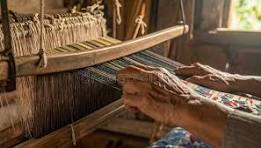
The Human Touch: What Makes Handloom Special
Unlike mass-produced fabrics, handloom textiles involve:- Natural dyes, Slow, detailed craftsmanship,
Generational skills, Unique imperfections = beauty. One saree may take 15-30 days or even months based on design complexity.When you buy handloom, you’re not purchasing fabric — you’re valuing a person’s livelihood and culture.
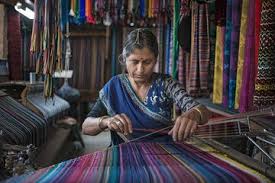
Women at the Heart of Weaving Communitie.
Supporting their families and village economy while preserving cultural heritage.
Their weaving skills empower them through:
- Financial independence
- Community leadership
- Pride in cultural contribution
Handloom is not just a craft — it’s a social change moments .
Regional Treasures: Weaves That Define India
Handloom artistry varies beautifully across India:
| Region | Famous Weave | Unique Feature |
|---|---|---|
| Rajasthan | Sanganeri & Bagru prints | Natural dyes & block motifs |
| Gujarat | Patola | Double Ikat precision |
| Assam | Muga Silk | Natural golden sheen |
| Tamil Nadu | Kanjeevaram | Temple-inspired borders |
| Andhra Pradesh | Kalamkari | Hand-painted intricate art |
| UP | Banarasi Zari Work | Royal gold & silver threads |
Struggles Behind the Beauty
Despite their mastery, \Indian handloom artists face critical challenges: Low wages
Cheap machine-made alternatives dominating markets. Middlemen taking high profits
Lack of brand recognition. Dying interest among younger generations. Many artisans are forced to leave weaving for daily labor jobs — heritage crafts are at risk.
Why Handloom Needs Our Support
Handloom isn’t just fashion — it represents:- Sustainability, Zero-waste craftsmanship,Low carbon footprint,
Emotional and cultural value, Rural employment for millions. Every purchase directly supports artisan well-being and preserves India souls in fabric form.
https://myhandlooms.gov.in/Home/NHDP.aspx
Modern Innovations: Handloom in Today’s Fashion
Young designers & brands are reintroducing handcrafted weaves into:
- Fusion wear
- Premium sarees & lehengas
- Luxury handloom streetwear
- Export collections
Collaborations ensure fair wages & global recognition. Digital platforms also help artisans reach buyers directly.
How to Identify Real Handloom
Authentic handloom fabrics feel different. Here’s what to check:- Slight design variations — sign of handcrafted work. Texture with depth — not flat like machine prints.GI tags or certifications for region-specific weaves. Price reflects craftsmanship — not cheap, not overly flashy. Handloom is art, not just apparel.
How You Can Support Indian Handloom Artisans
Small choices make a big impact:- Buy directly from verified handloom sellers. Choose local craft clusters.
Support artisan stories through social media.Gift handcrafted fabrics.Prefer quality over quantity.Each thoughtful purchase helps keep traditions alive.
Conclusion: Threads That Carry Culture Forward
The story of Indian handloom artist is a tribute to resilience, tradition, and artistry. Their hands create fabrics that protect heritage and connect generations. By choosing handloom, we honor not just clothing — but the People and culture behind every weave. Wear India. Support India. Celebrate craft that lives forever.
