
Introduction
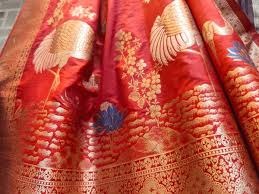
India’s fashion industry is built upon its centuries-old textile legacy. Among the many types of Indian fabrics, one name that shines with royalness is the Banarasi silk fabric. It is known for its luxurious texture, golden zari work, and intricate weaving, Banarasi silk remains an all time choice for bridal wear, festive attire, and luxury fashion. But today India’s textile heritage goes more than Banaras from the breezy cottons of Gujarat to the handloom silks of Assam, each fabric tells a story of artistry, tradition, and craftsmanship.
The Heritage of Indian Fabrics
India’s textiles are strongly interlaced with its culture and geography. Every state offers unique types of Indian fabrics, woven with local techniques, patterns, and dyes. Cotton, silk, wool, and linen establish the basis, but handloom artistry brings them into masterpieces. These fabrics are not just clothing materials — they also represent the communities, livelihoods, and centuries of craftsmanship.
Banarasi Silk Fabric: The Royal Weave of India
The Origin of Banarasi Silk
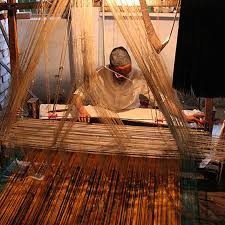
The Banarasi silk fabric came from the ancient city of Varanasi (Banaras), which is India’s oldest weaving center. It dates back to the Mughal era when Persian-inspired motifs, intricate brocade work, and fine gold threads became the hallmark of Banarasi textiles. Traditionally woven with real gold and silver threads, these fabrics were once reserved for royals.
Characteristics of Banarasi Silk Fabric
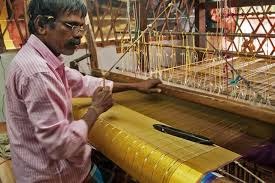
The beauty of Banarasi silk fabric lies in its detailing. Key features include:-
(1) Rich zari embroidery which is done with gold and silver.
(2) Mughal-inspired motifs are used such as kalga, bel, and floral jaal
(3) Heavy texture with a glossy finish
(4) Durability and a luxurious drape
Types of Banarasi Silk Fabric
Banarasi silk is not only one kind, it comes in multiple variations. Each variation which has its own identity and weaving technique:
1. Katan Silk:- A pure silk variant known for its smooth finish and durability. Katan Banarasi sarees are perfect for weddings and festive wear.
2. Organza (Kora) with Zari and Silk:- These lightweight Banarasi fabrics have transparent texture and intricate zari embroidery — ideal for summer weddings.
3. Georgette Banarasi:-Soft and flowy, this modern version of Banarasi fabric is popular for fusion outfits and designer lehengas.
4. Shattir Banarasi:- A more affordable and trendy option for everyday ethnic wear, yet retaining Banarasi elegance.
Other Famous Types of Indian Fabrics
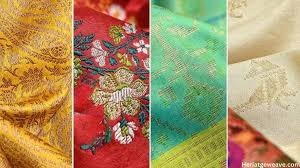
While Banarasi silk dominates the luxury segment, India’s textile diversity is vast. Here are some other famous types of Indian fabrics:
(1) Kanchipuram Silk (Tamil Nadu):- Known as the “Queen of Silks,” Kanchipuram silk features temple borders and vibrant colors.
(2) Chanderi Fabric (Madhya Pradesh):-A mix of silk and cotton, Chanderi fabric is lightweight and ideal for semi-formal wear.
(3) Muga Silk (Assam):- A golden-hued silk exclusive to Assam, known for its natural sheen and durability.
(4) Bandhani (Gujarat & Rajasthan):-A traditional tie-and-dye fabric known for its dotted patterns and colorful designs.
(5) Kalamkari (Andhra Pradesh):- Hand-painted or block-printed cotton fabric featuring mythological and floral motifs.

Cultural Significance of Banarasi Silk Fabric
The Banarasi silk fabric isn’t just an attire; it’s a symbol of Indian heritage. Brides across India cherish Banarasi sarees for their grace and grandeur. From Bollywood celebrities to royal families, everyone treasures a piece of Banarasi silk in their wardrobe. Its timelessness has also inspired modern designers who use it in fusion wear, jackets, dupattas, and even handbags. https://texmin.nic.in/
How to Identify Authentic Banarasi Silk
The identify for the authentic banarasi silk the steps are as follows:-
(1) Weaving Test: Real Banarasi has intricate weaving on both sides.
(2) Zari Quality: Pure zari contains gold or silver threads.
(3) GI Tag Mark: Look for the “Banaras Brocades and Sarees” Geographical Indication (GI) tag.
(4) Price Indicator: Genuine Banarasi is costlier due to handloom weaving.
https://www.indianhandloombrand.gov.in
Caring for Banarasi Silk Fabric
It remains timeless for generations for that maintaining of Banarasi silk is required following steps:-
(1) Always dry clean the fabric.
(2) Store in muslin cloth to allow air circulation.
(3) Avoid hanging for long durations to prevent stretching.
(4) Refold periodically to avoid permanent creases.
Styling Ideas for Banarasi Silk
The use of Banarasi silk goes more than sarees. Some of the way that how we can style it:
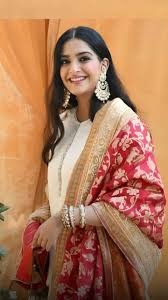
(1) Banarasi Dupatta with plain kurtas for a royal look.
(2) Banarasi Lehenga with contrasting blouses for weddings.
(3) Banarasi Jackets for Indo-western fusion.
(4) Banarasi Skirts paired with crop tops for festive chic.
Conclusion
From the ancient looms of Varanasi to today’s global fashion ramps, Banarasi silk fabric remains the crown jewel among all types of Indian fabrics. Its grandeur, artistry, and cultural symbolism continue to define luxury in Indian fashion. Whether you’re a designer, bride, or textile lover, embracing Banarasi silk means embracing a piece of India’s royal past and artistic brilliance.
